Texas Bird Hunting
Seasons Span November 1 – February 28, 2027

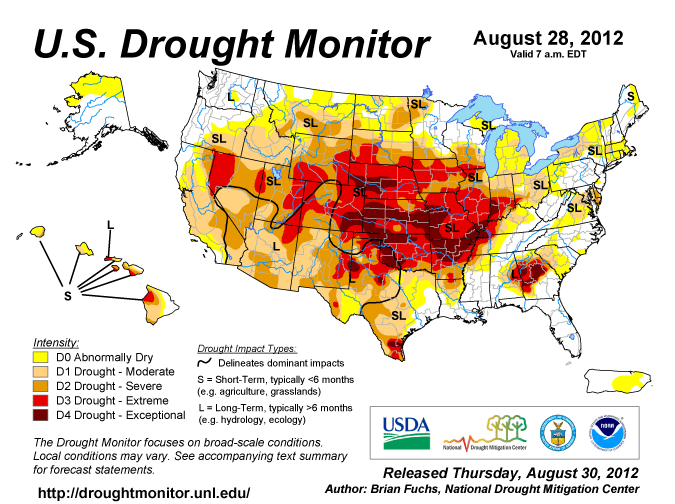
State Drought Monitor – Upland hunting conditions are often highly dependent upon moisture for both habitat production and bird survival.
Texas Upland Game Bird Hunting Overview
State DNR & Licensing Information
Upland game bird hunting in Texas is administered by the Texas Parks and Wildlife Department (TPWD).
License Requirements & Fees
- Resident Annual Hunting License: $25
- Nonresident Annual Hunting License: $315
- Nonresident 5-Day Special Hunting License: $48
- Upland Game Bird Endorsement: $7 — required for quail, pheasant and chachalaca
- Migratory Game Bird Endorsement: $7 — required for dove, woodcock and snipe
- HIP Certification: Free and required for migratory game birds
- Annual Public Hunting Permit: $48
Season Dates & Bag Limits — 2026–2027
Northern Bobwhite Quail
- Season: November 1, 2026 – February 28, 2027
- Daily Limit: 15 quail, combined with scaled and Gambel’s
- Possession Limit: 45
Scaled Quail
- Season: November 1, 2026 – February 28, 2027
- Daily Limit: 15 quail, combined with bobwhite and Gambel’s
- Possession Limit: 45
Gambel’s Quail
- Season: November 1, 2026 – February 28, 2027
- Daily Limit: 15 quail, combined with bobwhite and scaled
- Possession Limit: 45
Montezuma Quail
- No open season.
Ring-Necked Pheasant
- Season: December 5, 2026 – January 3, 2027
- Zone: Panhandle/South Plains
- Daily Limit: 3 cocks
- Possession Limit: 9 cocks
Chachalaca
- Season: November 1, 2026 – February 28, 2027
- Counties: Cameron, Hidalgo, Starr and Willacy
- Daily Limit: 5
- Possession Limit: 15
American Woodcock
- Season: December 18, 2026 – January 31, 2027
- Daily Limit: 3
- Possession Limit: 9
Wilson’s Snipe
- Season: November 7, 2026 – February 21, 2027
- Daily Limit: 8
- Possession Limit: 24
Mourning & White-Winged Dove
- North Zone: September 1 – November 8, 2026 & December 18, 2026 – January 7, 2027
- Central Zone: September 1 – October 25, 2026 & December 11, 2026 – January 14, 2027
- South Zone: September 1 – October 25, 2026 & December 18, 2026 – January 21, 2027
- Daily Limit: 15 aggregate
Weather Assessment & Bird Hunting Outlook
Survey Methodology
Texas has one of the country’s strongest long-term quail datasets. TPWD conducts its annual August roadside survey, recording birds, coveys and broods across regional routes.
However, the 2026 survey results are not yet available, so this forecast combines the latest available TPWD population data with independent NOAA/NCEI, U.S. Drought Monitor and drought-monitoring data.
Weather Impact & Habitat Conditions
- Winter 2025–26: Warm and very dry. This avoided severe cold mortality but created poor range and forage conditions across portions of western Texas.
- Spring 2026: Very uneven. By late March, 89% of Texas was in drought, with particularly severe deficits in the Panhandle and western Texas.
- Summer 2026: Conditions improved considerably in central, eastern and southern Texas, including a very wet June, but the Panhandle and northern Texas remained substantially drier.
- Overall: The state has a strongly regionalized weather pattern, making statewide averages misleading.
2026–27 Population Outlook
Northern Bobwhite Quail — FAIR–GOOD
The 2025 TPWD survey was strongest in the Rolling Plains and South Texas, both above their 15-year averages.
South Texas subsequently received improving rainfall, while the Rolling Plains has been more variable.
Best prospects: South Texas and portions of the Rolling Plains.
Forecast: FAIR–GOOD.
Scaled Quail — GOOD–FAIR
Scaled quail entered 2026 with a particularly strong baseline. The 2025 index was above the 15-year average in every surveyed region, with especially strong numbers in the Edwards Plateau and Trans-Pecos.
Drought is the major concern, particularly across the High Plains and western Texas.
Best prospects: Edwards Plateau and selected Trans-Pecos areas.
Forecast: GOOD–FAIR.
Gambel’s Quail — FAIR–POOR
Texas has a limited Gambel’s population concentrated in the Trans-Pecos, and there is no strong current statewide population index comparable to the bobwhite survey.
The drought picture makes this a highly localized opportunity.
Forecast: FAIR–POOR.
Ring-Necked Pheasant — POOR–FAIR
Texas pheasant numbers remain well below historical levels. The latest TPWD survey recorded only 1.64 birds per route versus a 2.18 long-term average.
The Panhandle remains the state’s only meaningful pheasant region, but persistent drought there is a concern.
Forecast: POOR–FAIR.
Chachalaca — FAIR
Restricted to the four southernmost counties, chachalaca prospects depend heavily on thornscrub and local rainfall. Conditions improved during the spring and summer.
Forecast: FAIR.
American Woodcock — FAIR
Texas’ winter woodcock population depends primarily on northern breeding production and migration weather. Moist bottomland and young-forest habitat will be important.
Forecast: FAIR, with good opportunities possible following migration fronts.
Wilson’s Snipe — FAIR
Dry conditions have reduced temporary wetland habitat, but permanent wetlands, irrigated areas and wet agricultural ground should remain productive.
Forecast: FAIR.
Mourning & White-Winged Dove — GOOD–FAIR
Doves are considerably more resilient to the drought pattern than quail. South Texas remains particularly important for white-winged doves.
Forecast: GOOD–FAIR.
Overall Texas Outlook: FAIR–GOOD
Texas entered 2026 with strong quail populations in several important regions, but the weather has been too inconsistent to support a blanket statewide “excellent” forecast.
The key distinction is regional:
- South Texas: ⭐ Best bobwhite opportunity
- Rolling Plains: ⭐ Strong bobwhite potential, weather-dependent
- Edwards Plateau: ⭐ Best scaled-quail opportunity
- Trans-Pecos: Good localized scaled/Gambel’s potential
- Panhandle: Poorer quail conditions; pheasant remains depressed
- Central/East Texas: Improved summer conditions, but less significant wild-quail opportunity
The most important missing piece is the 2026 TPWD roadside survey. Until those August results are released, the weather data support a regionalized FAIR–GOOD forecast rather than a statewide GOOD/EXCELLENT rating.
Bottom line: Texas remains one of the country’s best states for wild quail, but 2026 looks like a “find the rain” year. South Texas and portions of the Rolling Plains are the strongest bobwhite bets, while the Edwards Plateau leads for scaled quail.
For the most current information, including any changes to dates or regulations, visit the Texas Parks and Wildlife Department website (tpwd.texas.gov) or the Outdoor Annual.
-
Upland with Friends
It’s easy for me to get caught up in this solo pursuit. The rhythm of walking to the horizon with shotgun in hand appeals to my obsessive nature. Shut out the world and follow the dogs. Simple. Quiet. Rewarding. But decades ago I came to be a bird hunter because of friends sharing their experience…
-
3000 Miles for One Bird
The sun is dipping into the horizon and the thermometer reads 19° when the dogs and I return to the truck after hunting the final day of upland season in Kansas. A quick check of the fitness band reveals I’ve hiked over 12 miles in eight inches of new snowfall. The dogs never stopped hunting…
-
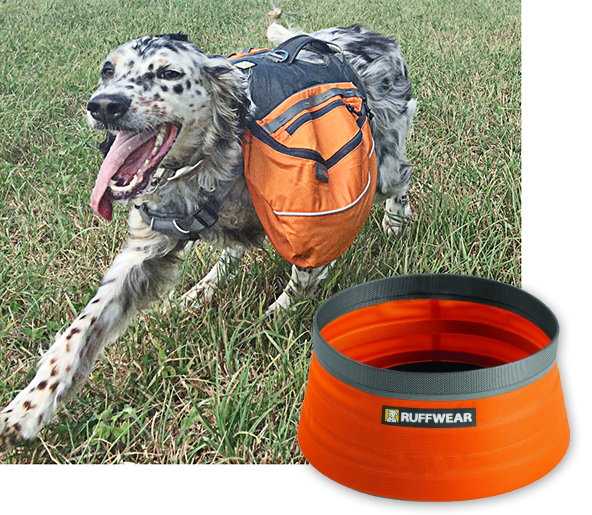
Ruffwear Approach Dog Backpack, Bivy Bowl
Having dogs share the load can save a lot of leg on a pack-in to upland camp. Ruffwear builds hard core active-dog gear. The Ruffwear Approach Dog Backpack ($60) has all the right adjustment points, fits close to the dog’s body and distributes loads evenly. It took a little time for Rio the setter to learn her new dimensions while…
-
Pheasant Defying Drought….. For Now
There has been a lot of news about the terribly dry conditions across the bulk of the country this year. This news sparked many early negative predictions for the upland populations. If you read much about the lifecycle of upland birds though, most don’t require much water when they are young. So unlike harsh winters…
-
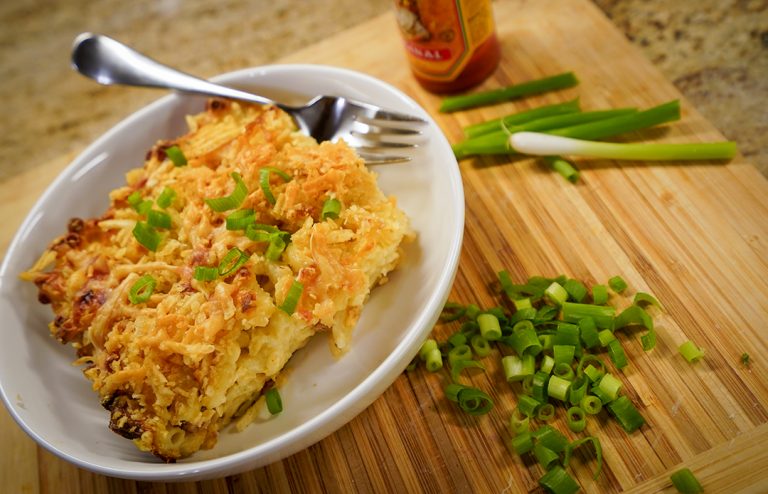
Garlicky Phez Mac ‘n Cheese
Maybe you didn’t have the best luck last weekend and birds were tough to come by. Don’t throw that one pheasant you harvested in the freezer. Let’s add some pasta and cheese and turn it into a hearty meal for your crew, right now. Great way to stretch one bird into a a meal for…
-
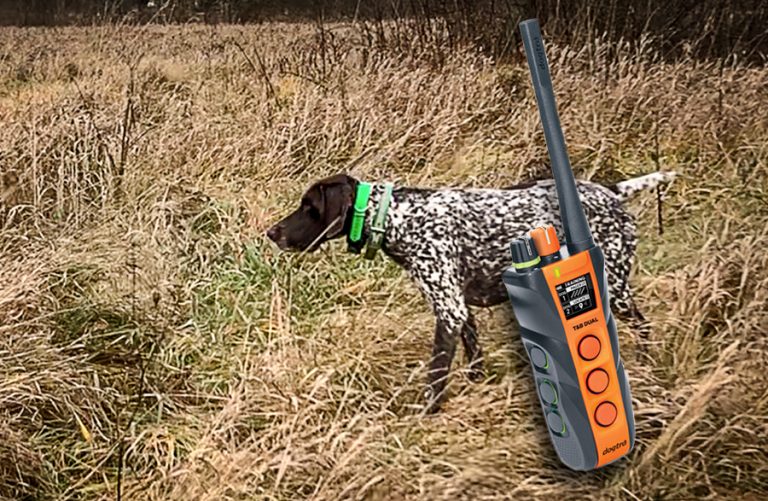
Dogtra T&B Dual Trainer System
Every upland hunter dreads the day when their collar system fails. The remains of my upland transmitter, sprinkled across the freshly cut grass, brought that day home this past summer. The pinch of a new system on my hunting budget had me scrambling into the research weeds. My search ended with a clear front runner,…